The State of English Management
As the 2025 Premier League season came to a close, only two of its 20 clubs were managed by Englishmen: Eddie Howe at Newcastle United and Graham Potter, recently appointed to a rebuilding project. While a few other UK nationals such as David Moyes (Scottish) and Kieran McKenna (Northern Irish) also held roles, the number of homegrown managers in the league remains surprisingly low.
This scarcity stands in stark contrast to the Premier League’s status as the most popular and financially powerful football league in the world. With top-tier facilities, billion-pound broadcast deals, and elite-level players, why does English football fall short in producing managers who reach its own summit?
This Should Worry English Football
This isn’t just a quirk of hiring trends or a matter of national pride—it’s a reflection of a systemic problem. English football has invested heavily in world-class infrastructure, youth academies, and player development. But when it comes to coaching, the same support and opportunity seem to fall short.
The lack of English managers at the highest level signals more than just personal career stalls. It affects the identity of the league, narrows tactical diversity from a domestic perspective, and raises serious concerns about whether the current system genuinely supports local managerial growth.
Leatherhead! I shouted above the sudden noise. She looked away from me downhill. The people were coming out of their houses, astonished. “How are we to get to Leatherhead?” she said.
Stop here,” said
The Roots of the Issue – Why English Managers Struggle to Rise.
Over the past decade, the Premier League has quietly shifted its identity—not just in the players on the pitch but in the minds calling the shots from the sidelines. In 2025, just two of the league’s twenty clubs were managed by Englishmen. It’s not a sudden development, but a continuation of a trend that’s become normalized.
Despite the abundance of English coaches who hold UEFA Pro Licences, few ever make it to the top flight. Meanwhile, clubs continue to look outward for leadership, often favoring managers with Champions League experience or reputations built in Spain, Germany, or Italy. The path for domestic coaches is far more restrictive—often routed through lower-league football, or in rare cases, built abroad.
One reason for this trend lies in perception—an often unspoken belief that foreign managers represent innovation while English managers embody tradition. Clubs with big ambitions rarely want to be seen as “playing it safe.” They chase progressive football identities, and in doing so, they associate that evolution with coaches who’ve succeeded on European nights or in top continental leagues. That perception, fair or not, puts English coaches at a disadvantage before the interview even starts.
At the same time, domestic managers are held to stricter standards. Where a foreign coach can command trust through reputation alone, an English manager often has to prove themselves repeatedly in lower divisions or against unrealistic expectations. This double standard is subtle, but it reinforces the narrative that England produces players—not thinkers.what was going on behind his house. A man stood with his back to me, talking to him.
English Managers in the Spotlight
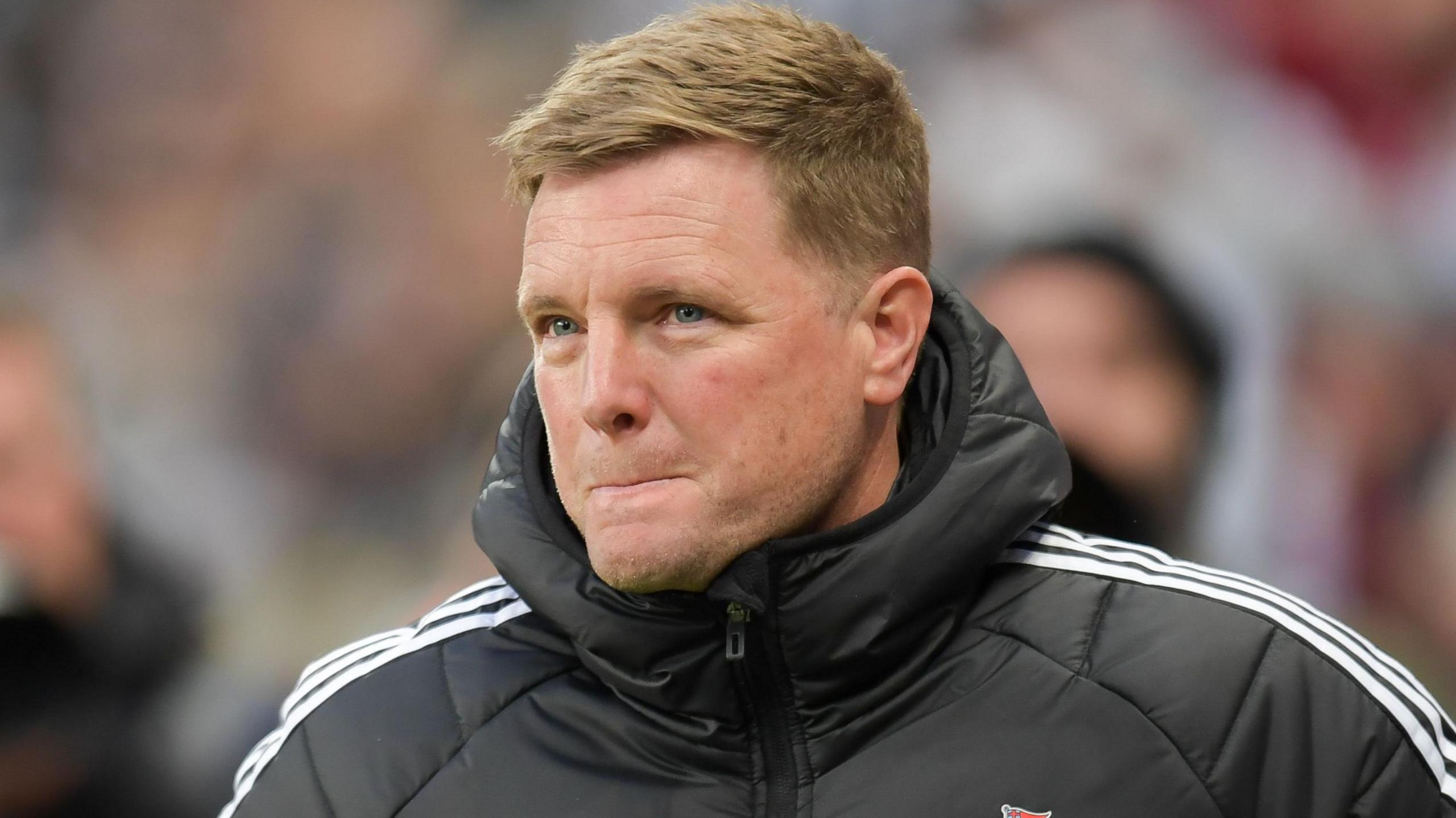
Eddie Howe remains a standout. In 2025, he guided Newcastle United to a Carabao Cup victory—the club’s first major silverware in decades—and became the first English manager to lift the trophy in 17 years. His success reflects a long journey from Bournemouth to Champions League qualification.
Graham Potter, now at West Ham, joined mid-season and hasn’t made a huge impact yet. Still, with a full pre-season and the right signings, hopes remain high for next year.
Frank Lampard often goes underappreciated. He delivered a top-four finish at Chelsea under a transfer ban, saved Everton from relegation, and took Coventry City to the Championship playoffs—showcasing his growth across varied challenges.
Scott Parker re-emerged in style, leading Burnley to promotion with over 100 points. It was a campaign marked by structure, energy, and tactical discipline—reminding many of his managerial potential.
Others struggled. Steven Gerrard’s stint at Al-Ettifaq ended in disappointment, while Michael Carrick’s Middlesbrough finished 10th after a promising start to his coaching career.
A quieter success came abroad: Liam Rosenior took charge of Strasbourg in Ligue 1 and led them to a 7th-place finish, securing European football with a young squad that had been tipped for relegation. His achievement is a testament to what English managers can do when trusted overseas.
English managers often face more skepticism and shorter leashes, even when they perform.
What’s Holding English Managers Back?
Despite the occasional breakthrough, the path to the top remains narrow for English coaches. One major barrier is perception. In an era where clubs prize modern, “progressive” football, there’s a growing preference for managers who’ve proven themselves abroad or in European competitions. That image rarely aligns with the typical English coaching resume, even if the talent is there.
Another obstacle lies in opportunity or the lack of it. Foreign managers often arrive with a clean slate and are trusted with high-level projects, while English counterparts are expected to “prove themselves” at lower-tier clubs or during crisis moments. It creates a double standard where mistakes by foreign hires are seen as part of the process, but those by English managers are treated as validation of the doubt.
Finally, there’s the issue of development. The coaching pathway in England is long, expensive, and often disconnected from elite environments. Many promising coaches are stuck in roles without the backing or exposure needed to grow. In contrast, countries like Spain and Italy have coaching cultures that embrace tactical individuality. In Italy, managers train at Coverciano, one of the most prestigious coaching schools in the world, where curriculum prioritises game models, in-depth analysis, and personalised styles. Spain’s system emphasises tactical theory, flexibility, and philosophy, producing coaches like Xabi Alonso Pep Guardiola and many more with clear football identities.
These coaching environments encourage innovation rather than conformity. Until English football updates its teaching and development approach, its coaching talent may continue to stagnate behind its continental rivals.
Where Do We Go From Here?
If the Premier League wants to nurture homegrown talent on the sidelines as much as it does on the pitch, structural reform is needed. That starts with making coaching badges more accessible and less financially burdensome, especially at the grassroots and academy level.
There must also be a cultural shift clubs, fans, and media alike need to reevaluate what success and potential look like for English coaches. Managerial projects take time, and that time must be granted to those who’ve shown promise, not just those with foreign credentials.
Another path forward lies in encouraging more young English coaches to take the leap abroad. The success of Graham Potter in Sweden and Liam Rosenior in France proves that global experience can fast-track growth and credibility. More partnerships between English academies and European clubs could provide these opportunities at scale.
Finally, visibility matters. Whether through federation support, club commitment, or media attention, English coaches must be seen and celebrated when they succeed—not just noticed when they fail. Only then will we start to see the touchline reflect the talent waiting behind it.
Why English Coaches Still Trail Behind
The Premier League’s global growth has outpaced the development of homegrown managers. One overlooked factor is how club owners and sporting directors—many of whom come from outside England, naturally turn to familiar international talent when hiring. Meanwhile, English coaches often lack multilingual skills or cross-cultural experience, which puts them at a disadvantage in modern football’s globalised ecosystem.
On top of that, there’s a branding issue. Foreign managers often arrive with well-packaged philosophies and media narratives, while English coaches are stereotyped as pragmatic or uninspiring. Unless there’s a conscious effort to shift perceptions and level the playing field, England may keep producing players for the world stage, but not the managers to lead them.
If English coaches are to thrive at the top, the system must evolve—through investment, trust, and reform.