
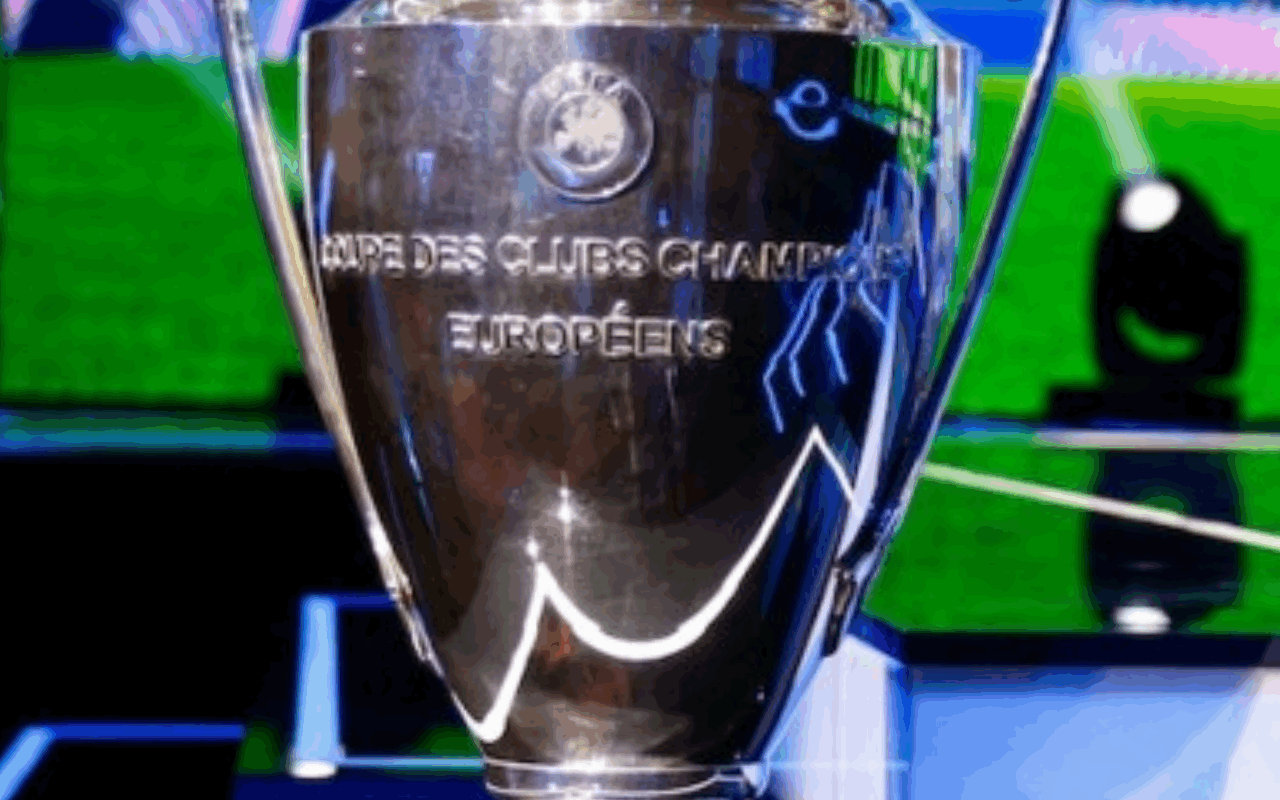
The End of a Familiar Era
For more than two decades, fans across Europe grew accustomed to the familiar rhythm of the UEFA Champions League group stage, eight groups of four teams, home-and-away fixtures, and a simple route to the knockout rounds. It was predictable, but it worked. In 2024/25, UEFA ushered in the biggest format change in modern Champions League history replacing the group stage with a 36-team league phase.
Now, each club plays eight different opponents (four home, four away), all within one giant league table. The top eight qualify directly for the round of 16. Teams placed 9th to 24th enter a playoff round to secure a place in the last 16. Those ranked 25th to 36th are eliminated, with no drop into the Europa League.
Chapter 2: A Broader But Bumpier Path
The rationale behind the new format was clear: more matches, more marquee clashes, and more opportunity for different clubs. In theory, it creates more engaging matchups and fewer “dead rubbers.” Indeed, the 2024/25 edition delivered some standout ties in just the first two matchdays, Aston Villa stunned Bayern Munich, Lille shocked Real Madrid, and Arsenal dominated PSG.
But the wider table has had unintended consequences. The competition now stretches over four months, losing momentum, and fans find it harder to track progress. The structure is so unfamiliar that even Cristiano Ronaldo repeatedly slamming a giant button couldn’t save the chaotic live draw.
Critically, early losses seem less costly. Heavyweights like Real Madrid, Bayern Munich, and PSG all suffered early defeats without major panic. But as Football Manager simulations suggest, reaching the top eight likely requires 15–17 points. One slip could prove expensive later.
Chapter 3: More Excitement or More Exhaustion?
More games mean more exposure and more fatigue. Coaches and players have quietly voiced concerns about the intensified calendar, especially those who don’t have deep squads. Analysts, too, now have to prepare for eight different opponents instead of three.
While the single-league format has delivered variety, it has also removed the classic return fixture dynamic. There are no “grudge matches,” no second legs to avenge a poor result. For fans and managers alike, the shifting narratives can feel disjointed.
Some writers have suggested radical changes to improve this: allow top seeds to pick their playoff opponents or restrict the league phase to 24 clubs for better quality control. But those ideas seem unlikely to pass, more matches mean more money, and that remains the bottom line for UEFA.
Chapter 4: Big Clubs and the Safety Net
One of the most controversial aspects of the new format is that it seemingly benefits the big clubs. Even after sluggish starts, top teams like Barcelona or PSG are often still well-positioned for a top-24 finish, especially with increased fixture volume.
Critics argue that this dynamic dilutes the pressure and drama of the early rounds. The old group stage punished slow starters. Now, the margin for error has widened, allowing giants to recover form over time.
To make matters worse, UEFA’s schedule designers avoided marquee games on the final matchday, ensuring top clubs had a softer path into the knockouts. That strategic cushion has not gone unnoticed.
Chapter 5: Has It Been More Competitive?
On paper, yes. But the early data is mixed. Matchday 1 and 2 saw nine wins by margins of four goals or more, higher than any recent season. Dinamo Zagreb were thrashed 9-2, Slovan Bratislava shipped nine goals in two games, and Young Boys have already lost 8-0 on aggregate across their first two fixtures.
Still, this isn’t exactly new. Dinamo Zagreb and Young Boys have historically struggled in Europe. In 2022/23, there were 16 thrashings across the group stage. The new format simply spreads these results across more fixtures. Whether this continues or evens out remains to be seen.
Meanwhile, drama has emerged elsewhere. Benfica hammered Atletico Madrid 4-0, AC Milan sit bottom of the league phase table, and English sides like Arsenal, City, and Spurs are flying. As ever, the true chaos of the Champions League is never far away.
Chapter 6: Does a Top 8 Finish Guarantee Success?
Not really. Last season, Liverpool topped the league phase, only to draw PSG in the round of 16 and go out on penalties. Of the eight clubs who qualified directly for the last 16, only four reached the quarter-finals.
The other four, including Bayer Leverkusen, Lille and Atletico were knocked out by big hitters like Bayern Munich and Real Madrid. Statistically, a top-eight finish currently gives you a 50% chance of reaching the quarter-finals. So while a top seeding helps, knockout football remains unpredictable.
For English clubs, there’s hope. With six teams qualifying for the league phase in 2025/26, and four ranked in UEFA’s top 10, the Premier League sides are expected to dominate more than last season, when Arsenal were the best performers.
Chapter 7: What Needs to Change?
Experts and fans alike have floated suggestions to tweak the format. Among them:
- Shorten the league phase to fit before Christmas for better momentum.
- Allow higher seeds to pick opponents to increase strategy.
- Reduce the number of teams to 24 for more quality and clearer narratives.
- Fix the chaotic draw system and improve broadcast clarity.
The format is still in its early stages, and like any seismic shift, it will take time to settle. But as things stand, the new Champions League format offers more games, more revenue, and more spectacle while still struggling with clarity, calendar congestion, and competitive balance.
Is it better? That depends on what you value: tradition and simplicity, or spectacle and scale.







When the amphitheater had cleared I crept stealthily to the top and as the great excavation lay far.
He pays regular, was the rejoinder. But come, it’s getting dreadful late, you had better.
Then going through some small strange motions with it—whether indispensable to the magnetizing of the steel, or merely intended to augment the awe of the crew.